論神的絕對性與人的相對性
論神的絕對性與人的相對性
「順從神,不順從人,是應當的。」
“We must obey God rather than men.”
人類認識世界的方式,常常從「自己中心」出發。在科學上,人們曾默認長度、質量、時間都是絕對不變的;在道德與社會上,人們也曾默認父母、家族、國家、傳統就是最高的價值。然而,一旦出現一個真正絕對、不可動搖的參照系,原先被視為絕對的東西,便不得不降格為相對。
Human beings often begin their understanding of the world from a self-centered perspective. In science, people once assumed that length, mass, and time were absolute and unchanging. In morality and society, many likewise assumed that parents, family, nation, and tradition represented the highest values. Yet once a truly absolute and immovable frame of reference appears, what was formerly regarded as absolute must be recognized as relative.
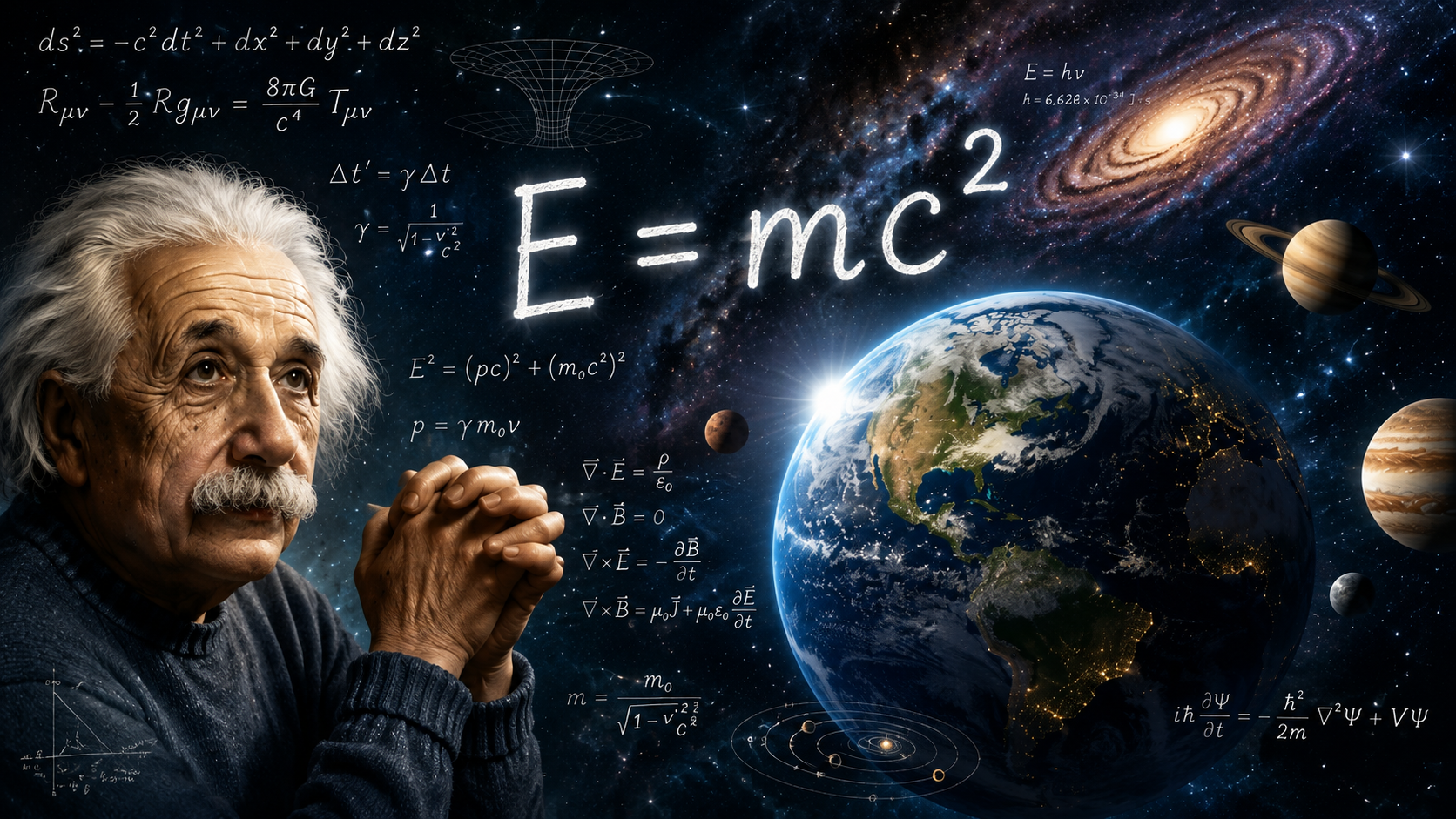
物理學提供了最清晰的例證。牛頓時代,時間、空間、長度、質量被視為宇宙的固定框架。後來,實驗確認光速在所有慣性系中恆定不變。於是愛因斯坦不得不徹底改寫人的直覺:時間會膨脹,長度會收縮,同時性不再絕對,質量與能量可以互換。不是世界決定光速,而是世界必須適應光速。那個恆定的 c,成了不動點;其他一切量,都因參照系的不同而改變。
Physics provides the clearest example. In Newton’s era, time, space, length, and mass were regarded as the fixed framework of the universe. Later, experiments confirmed that the speed of light remains constant in all inertial frames. Einstein was therefore compelled to overturn common intuition: time dilates, length contracts, simultaneity is no longer absolute, and mass and energy are interchangeable. The world does not determine the speed of light; rather, the world must adapt to it. The constant c became the fixed point, while everything else varies according to the observer’s frame of reference.
在宗教與道德領域,也存在高度相似的結構。在尚未承認存在一個亙古不變的終極真理之前,人類創造了太陽神、風神、雷神,以及各種以人的經驗為中心的價值體系:父母最大、君王最大、家族最大、國家最大。這些價值在特定文化中顯得理所當然,幾乎不可動搖。
A remarkably similar structure exists in religion and morality. Before acknowledging the existence of an eternal and unchanging truth, humanity created sun gods, wind gods, thunder gods, and various systems of values centered on human experience: parents are supreme, rulers are supreme, family is supreme, nation is supreme. Within their respective cultures, such values appeared self-evident and nearly unquestionable.
然而,一旦某些人認識到存在一個絕對不變的真理,並稱之為上帝,人世間一切看似顛撲不破的「真理」便必須被重新衡量。《聖經》的邏輯正是如此:先確立上帝的絕對性,再以祂為尺度,衡量一切人間關係。
Yet once people recognize the existence of an absolute and unchanging truth, and call that truth God, every seemingly unquestionable human ‘truth’ must be reevaluated. This is precisely the logic of Scripture: first establish the absoluteness of God, then measure all human relationships by His standard.
耶穌說:「愛父母過於愛我的,不配作我的門徒。」(馬太福音10:37)這句話常被誤解為否定孝道。事實上,《十誡》明確要求「當孝敬父母」。問題的關鍵不在於是否孝順,而在於:父母是否是最高價值?儒家傳統往往接近肯定的答案;基督教的答案則是否定的。若父母要求人做違背真理的事,人應當服從真理,而非父母。同樣的邏輯也適用於國家、民族、財富、傳統與文化——它們都可以是美好的、值得珍惜的,卻都不是終極的。
Jesus said, ‘Whoever loves father or mother more than Me is not worthy of Me’ (Matthew 10:37). This statement is often misunderstood as a rejection of filial piety. Yet the Ten Commandments clearly teach, ‘Honor your father and your mother.’ The real issue is not whether one should honor parents, but whether parents are the highest value. Confucian tradition often approaches an affirmative answer, whereas Christianity answers no. If parents require a person to act against truth, truth must take precedence. The same principle applies to nation, ethnicity, wealth, tradition, and culture. They may all be good and worthy of appreciation, but none of them is ultimate.
因此,基督教與儒家的根本張力,並不在於「孝不孝」的表層,而在於終極權威歸屬何處。儒家強調「君君、臣臣、父父、子子」,社會秩序本身被置於極高的位置;基督教則宣告:上帝高於君王,高於父親,高於家族,高於國家。歷史上許多基督徒寧可受死也不向皇帝獻祭,正因為他們視皇帝為可敬的,卻非絕對的。這種態度在古羅馬人眼中幾乎不可思議。
The fundamental tension between Christianity and Confucianism therefore does not lie in whether one practices filial piety, but in where ultimate authority resides. Confucianism emphasizes the proper ordering of ruler and subject, father and son, elevating social order to a place of great importance. Christianity, however, proclaims that God stands above kings, fathers, families, and nations. Throughout history, many Christians chose death rather than offer sacrifice to the emperor because, while they regarded the emperor as worthy of respect, they did not regard him as absolute. To the Romans, such a position seemed almost incomprehensible.
從哲學結構上看,光速 c 如同一個不動點;基督教神學中上帝的本性——真理、公義、聖潔——也如同一個不動點。一旦這個不動點被承認,孝順、忠君、愛國、財富,甚至生命本身,都轉化為相對的價值。使徒彼得面對禁令時說:「順從神,不順從人,是應當的。」當兩個參照系發生衝突時,必須以更根本的參照系為準。
From a philosophical perspective, the speed of light c functions as a fixed point. In Christian theology, the nature of God—truth, justice, and holiness—serves as a similar fixed point. Once that point is acknowledged, filial devotion, loyalty to rulers, patriotism, wealth, and even life itself become relative values. When the apostles were commanded to cease preaching, Peter declared, ‘We must obey God rather than men.’ When two frames of reference conflict, the more fundamental frame must prevail.
相對論揭示,物理世界並非以人的直覺為中心;基督教則宣稱,道德與意義的世界也並非以人的直覺為中心。
Relativity reveals that the physical universe is not centered upon human intuition. Christianity likewise declares that the world of morality and meaning is not centered upon human intuition.
承認神的絕對性,並非否定人的價值,而是使人從相對的偶像中得著自由。父母仍當孝敬,國家仍當忠誠,生命仍當珍視——但它們都在更大的光中獲得恰當的位置。人的相對性,恰恰是因為有絕對者存在;若沒有那個不動點,相對便無從談起,一切終將淪為彼此衝突的主觀偏好。
To acknowledge the absoluteness of God is not to deny human worth, but to free humanity from the tyranny of relative idols. Parents should still be honored, nations may still deserve loyalty, and life itself remains precious—but all these find their proper place in a greater light. Human relativity exists precisely because there is an Absolute. Without that fixed point, relativity itself loses meaning, and all that remains are competing subjective preferences.
真正的自由,或許就在於:敢於承認一個絕對的參照系,並願意讓自己的一切——包括最深的情感與最珍視的傳統——在祂面前被重新校準。因為上帝並非父母、國家、傳統之外的另一項選擇;祂乃是一切值得被愛、被尊重、被忠誠之事之所以值得的根源。
True freedom may lie in the courage to acknowledge an absolute frame of reference and to allow every aspect of life—including our deepest affections and most cherished traditions—to be recalibrated before it. For God is not merely another choice alongside parents, nation, or tradition. He is the very source from which all things worthy of love, honor, and loyalty derive their worth.
2026年8月9日 · August 9, 2026