淺議家風和家訓
淺議家風和家訓
Reflections on Family Values and Family Life
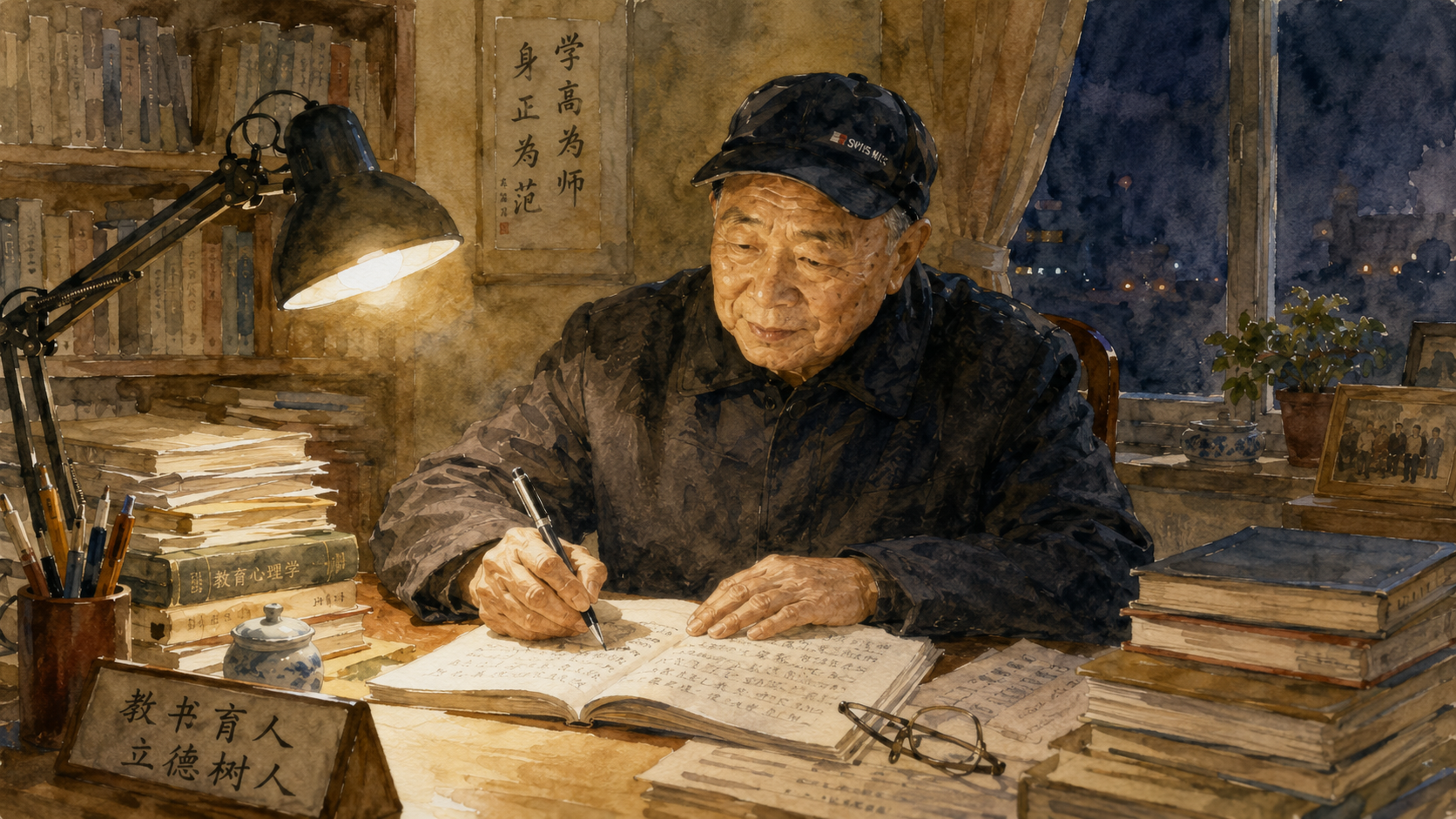
張錫文先生教育筆記
創建和諧社會,倡導家教新風,一個老教育工作者的感悟,願與社會各界同仁共勉。
These reflections were written after a lifetime devoted to education, family, and the quiet responsibilities of everyday life. They are not offered as rigid rules, but as lessons learned through decades of experience—as a teacher, a husband, a father, and an observer of society. If they can encourage even a few families to cultivate stronger values, deeper affection, and greater harmony, then they will have fulfilled their purpose.
2008年8月6日 · August 6, 2008
攜手共建和諧家園
國家穩定、社會和諧,人民才能安居樂業,各項事業才會健康發展。家庭是社會的細胞,家和方能萬事興。一個文明、民主、寬鬆、和諧、幸福家庭的構建和鞏固,需要經過全體成員的和睦相處、共同努力才能實現。那麼家庭成員應該怎樣做才能相處好?對子女如何加強教育?就此,我談點淺薄意見和體會,同大家商榷。
A stable nation depends upon a harmonious society, and a harmonious society is built upon healthy families. The family is the smallest unit of society, yet it is within the home that character is formed, responsibility is learned, and love is first experienced. A home that is civilized, respectful, harmonious, and filled with mutual trust cannot be created by one person alone. It requires the shared commitment of every member. How, then, can a family preserve harmony? How should parents guide the next generation? The following pages are simply my own reflections, offered in the hope that they may be of some value to others.
一、孝心無價
兒女都要知道,贍養、孝敬父母是國家法律和兒女的義務,是中華民族的傳統美德。生兒育女,父母恩重如山。人的一生,從小長大,到成家立業,父母對兒女撫養、教育付出的心血無法估量,歷盡千辛萬苦,母親甚至要闖鬼門關。想到這些,兒女報父母恩怎麼做也不過分。兒女要真情實意地善待老人,這是天意,萬萬不可違背。然而,大千世界無奇不有。忘恩負義、不孝之子並不少見,甚至打爹罵娘的也有。這與人不講道理、不知感恩是分不開的。要知道,兒女今天善待父母,就是善待自己的未來。
Every son and daughter should remember that honoring and caring for one’s parents is not only a moral obligation, but also a duty recognized by society and upheld by law. In Chinese culture, filial devotion has long been regarded as the foundation of family life. From infancy to adulthood, from the first day of school to the day a child establishes a home of his or her own, parents devote immeasurable love, sacrifice, and labor to the lives of their children. A mother even risks her own life in bringing new life into the world. Such kindness can never truly be repaid. Children should therefore care for their parents with sincere gratitude rather than mere obligation. Sadly, not everyone does. In every generation there are those who forget the sacrifices that made their own lives possible. Some even turn against the very parents who raised them. Such behavior grows from a heart that has forgotten gratitude. In the end, the way we treat our parents today becomes the example by which our own children may one day treat us.
二、蹲下來和孩子說話
這就是說,新時代的家庭應是民主的家庭,而不是長幼尊卑式的家庭。撫養、教育兒女是父母的天職。父母要努力為兒女營造一個文明、民主、寬鬆、和諧、幸福的家庭環境,讓兒女溫馨地生活、成長,享受著真誠的父愛和母愛。兒女成家立業後,父母不要過分地要求他們為自己做多大貢獻。兒女能夠把自己的衣食住行實際問題放在心上,體現出兒女的親情,父母就該知足了。事實也是這樣,父母要多想為兒女做奉獻,少想回報,順其自然,心態平靜,寬宏大量,自得其樂。應該相信,父母恩報,報恩達到什麼程度,兒女自有選擇。俗話說:「百善孝為先,論心不論跡;論跡天下無孝子。」只要孩子有孝心,什麼形式都可以,千萬不要攀比,以免自尋煩惱。
The modern family should be built upon mutual respect rather than unquestioned authority. Parents have the responsibility not only to provide for their children, but also to create a home where love, respect, and trust can flourish. Such a home allows children to grow with confidence, surrounded by genuine affection and a sense of security. When sons and daughters eventually establish families of their own, parents should not measure their success by how much they receive in return. If their children continue to care about their well-being and remember them with love, that alone is reason enough for gratitude. Parents give because they love, not because they expect repayment. How children choose to express their gratitude belongs to them. As an old Chinese saying reminds us, ‘Filial devotion is measured by the heart, not by outward appearances.’ Sincere affection matters far more than displays designed merely to satisfy the expectations of others.
父母是兒女第一任啟蒙老師,要努力為兒女做好表率。父母要以自立、自強、艱苦創業、奮發向上的凌雲壯志;敬老愛幼的好傳統;心底無私、光明磊落的好品質;寬宏大量、謙讓民主的好作風等良好的人格形象影響兒女,培養他們健康成長。
Parents are a child’s first teachers, and the lessons they leave behind are taught far more by example than by words. Children naturally imitate what they see long before they understand what they are told. For this reason, mothers and fathers should strive to embody the virtues they hope to pass on: independence, perseverance, diligence, and the courage to pursue meaningful goals; respect for the elderly and compassion for the young; honesty, integrity, and generosity of spirit; humility, fairness, and a willingness to listen. Such qualities become a silent education, shaping character day by day and helping children grow into responsible, upright, and compassionate adults.
手心手背都是肉,父母對子女撫養教育要公平對待,不得有任何偏愛思想或行為。每個時期家庭經濟狀況不同,父母對每一個兒女撫養教育提供的物質條件也不會一樣。但是,父母關愛每個兒女的心應該是相同的。兒女會理解父母的心情。對兒女撫養教育有偏愛心的父母也有,那畢竟是少數。故意對兒女有偏愛心的父母是不合格的父母。
Every child deserves to be loved with the same sincerity. Although parents may not always be able to provide identical material support—because family circumstances change over the years—the love and concern they show each child should never be measured differently. Children are often more understanding than their parents imagine. They recognize the hardships their family has faced and seldom expect perfect equality in material things. What matters most is knowing that they are equally cherished. While most parents naturally strive to treat their children fairly, those who knowingly favor one child over another risk sowing resentment that may linger long after childhood has passed. True parenthood is measured not by equal possessions, but by equal love.
三、血緣誠可貴,親情更重要
兄弟、姐妹是骨肉同胞,要珍惜親情,共享親情。人走到天涯海角也要念念不忘尋根歸祖,不忘同胞親情。
Brothers and sisters share more than a family name—they share the same roots, the same memories, and the same beginning in life. No matter how far life’s journey may lead them, they should never forget where they came from or lose sight of the bonds that unite them. Distance may separate a family, but genuine affection has the power to endure across years, across countries, and across generations. To cherish one’s family is, in many ways, to remain connected to one’s own identity.
妯娌相處要親如姐妹。俗話說:不是一家人,就不進一家門;進了一家門,就是一家親。這話雖然沒有什麼科學道理,但是,它告訴人們,一家人的相聚確實有喜劇性的巧遇,這就是緣份吧。「姐妹」相聚是天意,是緣份,要珍惜這種緣份,真誠相待,加深「姐妹」友情。彼此都要自覺地強化道德自律,提高自身素質;講文明,講奉獻;關心老人,愛護孩子;互相謙讓,互相尊重;齊心協力建家立業,同心同德謀發展。
Harmony within an extended family does not happen by chance; it grows from mutual respect and sincere goodwill. Those who become part of the same family through marriage should learn to care for one another as sisters rather than strangers. In Chinese tradition, people often say, ‘Those who enter the same household become one family.’ Whether one calls it providence or simply good fortune, there is something remarkable about the way different lives are brought together. Such relationships deserve to be treasured. They flourish when people practice self-discipline, generosity, courtesy, and respect—caring for the elderly, nurturing the young, yielding to one another when necessary, and working together for the well-being of the entire family.
兄弟、姐妹、妯娌要重視親情。家產繼承、分配問題,要依據國家法規,大家堅持互諒互讓的原則,通過民主協商來解決。且不可斤斤計較,為財物鬧矛盾,破壞家庭團結。俗話說:好男不住分家院,好女不穿嫁妝衣。財物固然是重要的,沒它不行。但是,最主要的是人的生命,是人的身體健康,是家庭和睦。黃金未為貴,安樂值錢多。要相信,只要有了和諧的家庭環境,人有了健康的身體,胸懷大志,艱苦創業,就會擁有一切。相反,父母給留下萬貫家產,自己如果胸無大志,不思進取,碌碌無為,坐吃山空,長此以往,勢必把一個好端端的家業敗壞在自己手中。一言以蔽之,自己親手創造的財富,自己用起來安全可靠。
Among brothers, sisters, and extended family, affection should always take precedence over possessions. Questions of inheritance and family property should be handled in accordance with the law and resolved through patience, mutual respect, and open discussion. Material wealth should never become a source of lasting conflict or divide those who share the same family. Chinese tradition reminds us that inherited wealth alone is never the true measure of a person’s life. Money is necessary, but it is not life’s greatest treasure. Good health, family harmony, and the opportunity to pursue meaningful work are worth far more than any fortune. A harmonious home gives people the confidence to dream, the strength to work, and the courage to build a better future. By contrast, even a great inheritance will eventually disappear if it is placed in the hands of someone without purpose, discipline, or the willingness to labor. Wealth that one has earned through honest effort not only brings greater security, but also carries a deeper sense of dignity and fulfillment.
四、婆媳和睦,喜氣盈門
婆媳好是一件很困難的事情。現實生活中兩代人和睦相處的很多,關係不好的也不少。要知道,兩代人來自不同的家庭,性格、生活習慣、價值觀念等各有差異。特別是在家庭財產分配、贍養老人等家務問題上認識不一致,態度不一樣,直接影響兩代人的關係。但是,兩代人都能恪守「順添百福,家和萬事興」這一理念,注重道德自律,寬大為懷,互相謙讓,互相關愛,培養感情,公婆、兒媳關係一定會處理好,共享親情。
Few family relationships require more patience and understanding than that between parents-in-law and their children’s spouses. While many families enjoy warm and harmonious relationships across generations, others struggle because each generation brings its own habits, values, and expectations into the home. Differences often become most apparent when questions arise concerning family responsibilities, financial matters, or the care of aging parents. Yet these challenges need not become lasting conflicts. When both generations choose generosity over pride, self-discipline over self-interest, and understanding over criticism, trust gradually grows. A peaceful home is built not by avoiding differences, but by meeting them with kindness, mutual respect, and a willingness to place the family above personal preference.
搞好兩代人的團結,公婆要做表率,敬老愛幼的傳統美德在自己身上體現得要好。自己要寬宏大量,待人厚道,講誠信,勤儉持家,任勞任怨,不求兒女多大回報,但願全家老少均有親情,一生平安。
The responsibility for building harmony often begins with the older generation. Parents should lead by example, demonstrating the virtues they hope to see in their children and their children’s spouses. A spirit of generosity, honesty, diligence, and humility creates an atmosphere in which younger family members naturally feel respected and accepted. Rather than expecting repayment for a lifetime of sacrifice, parents may find greater joy in seeing every generation live together in affection, security, and peace. The greatest reward is not material gratitude, but the lasting unity of the family itself.
公婆也有自己的尊嚴,一生治家創業,撫養、教育兒女受盡千辛萬苦,實在不容易,應該得到老有所養,老有所樂的歸宿。兒媳也應該理解公婆一生辛苦,更要體貼人到老年時的困難。捫心自問,自己也有老的一天,自己也生兒育女。百善孝為先,賢惠、孝順是中華民族的傳統美德。人還是孝敬老人,周密地關心、照顧老人是正理,世代相傳,好人一生平安。
Parents, too, deserve dignity in their later years. After a lifetime spent building a home, raising children, and bearing responsibilities that are often unseen by others, they deserve not only material support but also respect, companionship, and peace. Those who marry into a family should recognize the sacrifices that came before them and respond with kindness and understanding. Every younger generation will one day grow old, just as every parent once stood where their children now stand. To honor one’s elders is therefore more than a cultural tradition—it is an expression of gratitude and humanity. Families that care for their aging parents with patience and compassion preserve a legacy that can be passed from one generation to the next.
公婆、兒媳,彼此要多理解、多諒解。俗話說,金無足赤,人無完人。公婆、兒媳相處,彼此不要求全責備,要多看對方的長處,看主流,看大方向,要寬宏大量,不要小肚雞腸,逢事斤斤計較。兩代人彼此對某些事物的認識有分歧,甚至有時產生矛盾,這並不奇怪,關鍵是都要正確對待分歧或矛盾。大家都要堅持「互相理解、互相諒解,坦誠對話,互相溝通,互相謙讓,互相尊重」的原則,心平氣和地討論問題,尊重事實,服從真理,多做自責自律,不抱怨別人。只有這樣,彼此才能消除分歧,化解矛盾,加深親情。忍得一時之氣,免得百日之憂。天時不如地利,地利不如人和,家和方能萬事興。
Mutual understanding is the foundation of every healthy family relationship. No one is without shortcomings, and no generation possesses all wisdom. Instead of dwelling on one another’s faults, family members should choose to appreciate each other’s strengths and keep the well-being of the family as their highest priority. Differences of opinion are inevitable whenever people live closely together, but disagreement need not become division. Honest conversation, patient listening, mutual respect, and a willingness to yield when appropriate often resolve conflicts before they deepen into resentment. Lasting harmony is achieved not by insisting on being right, but by seeking what is right together. A moment of restraint can spare months of bitterness, and a home marked by peace is ultimately more valuable than any argument won.
五、琴瑟和鳴韻依依
夫妻關係在家庭成員相互關係中十分重要,特別是中間一兩代人綜合素質如何,夫妻關係是否和諧,決定這個家庭興衰的大事。夫妻要珍惜緣分,尋求共識,處理好關係。志同道合,奮發有為;真誠相待,互相關愛;和睦相處,白頭偕老。這些,應該是夫妻朝夕相處的共識,即思想基礎。要相信,長期堅持這樣的思想基礎處理問題,夫妻就會恩恩愛愛,相依為命,奮發向上,雄心創業治家,為國家作貢獻,為家人造鴻福。
Among all relationships within a family, none is more influential than the relationship between husband and wife. The strength of a marriage largely determines the character, stability, and future of the family itself. A lasting marriage is built upon shared values, mutual understanding, and a common sense of purpose. Husband and wife should cherish the providence that brought them together, seek agreement rather than division, encourage one another in times of difficulty, and remain faithful through every stage of life. Such convictions form the foundation upon which daily decisions are made. When a couple consistently approaches life with love, trust, and mutual respect, they not only strengthen their own marriage but also create a home in which children flourish, future generations are shaped, and society itself is quietly enriched.
夫妻之間要互相適應,不要求全責備。金無足赤,人無完人。世界上十全十美的人極少,甚至沒有。夫妻彼此也是這樣,各自的優點、長處是主流。但是,也各有弱點、缺點,甚至有錯誤。彼此都要有自知之明,經常想想自己的弱點、缺點或錯誤,勇於自責,加強自律。這樣既可以處理好夫妻關係,又可以完善自我。相反,倆人總是各持己見,互不相讓,抱怨別人,不檢查自己,勢必影響夫妻團結,自尋煩惱。人活得不能太自私,要寬宏大量,多為別人著想,自得其樂。感情這東西,不是彼此任性矛盾得到的,而是互相體諒,互相尊重培養出來的。有時,夫妻之間有分歧,產生矛盾並不奇怪。關鍵是,只要雙方都能冷靜地思考問題,彼此都能尊重對方的意見,各自作出讓步,多做自我批評,服從真理,但理智還應氣和,這樣矛盾才會化解。要知道,夫妻之間多一份理解,多一份寬容,多一份和氣,就會多一份親情。
Marriage also requires humility. No husband and no wife is without faults. Every person possesses admirable qualities, yet every person also carries weaknesses that become visible only through years of living together. A healthy marriage does not depend upon finding a perfect spouse, but upon two imperfect people who are willing to grow together. Instead of dwelling on each other’s shortcomings, both husband and wife should cultivate self-reflection, accept responsibility for their own mistakes, and practice self-discipline before criticizing the other. When both insist on having the final word, conflict becomes inevitable; when both are willing to listen, compromise, and forgive, disagreements become opportunities for growth rather than sources of lasting resentment. Love is not sustained by winning arguments. It is patiently nurtured through understanding, respect, generosity, and the daily choice to place the well-being of one’s spouse above one’s own pride. The more understanding a marriage contains, the deeper its affection becomes.
生兒育女都是為了防老,這是中國傳統和現實國情所決定的,孝敬老人也是中華民族的傳統美德。夫妻真誠、公平地孝敬雙方的老人,熱情、周密地關心他們,讓他們都能得到老有所養,老有所樂的歸宿。如前所說,老人的今天,就是自己的明天。這是一條自然規律,誰也迴避不了。
For generations, Chinese families have regarded raising children not only as an act of love, but also as a source of support in old age. Within this cultural tradition, caring for elderly parents has long been regarded as one of life’s most honorable responsibilities. A husband and wife should therefore honor both families with equal sincerity, showing the same respect and thoughtful care to each set of parents. As they grow older, parents deserve not only material security, but also the comfort of knowing they remain loved, respected, and never forgotten. In time, every generation follows the same path. The elderly we care for today reflect the future that awaits us all. To honor them is not merely to preserve a tradition, but to affirm the dignity of human life itself.
撫養教育孩子是家庭的大事
人的一生怎樣做人,成什麼才,關鍵是自身因素所決定的。但是,父母關心和培養,社會影響,學校教育的作用也是相當重要的。培養孩子是一項艱巨的系統工程,做好相當困難。早期培養過程中,根據孩子不同的年齡特點和文化程度,父母要做大量的細緻工作,提出不同要求,望子成龍。就此,我提出幾點粗淺的意見,僅供參考。
The kind of person a child ultimately becomes depends first upon his or her own character and choices. Yet parents, schools, and society all play indispensable roles in shaping that journey. Raising a child is one of life’s greatest responsibilities, requiring patience, wisdom, and perseverance rather than quick solutions. Because children mature at different ages and possess different abilities, parents must guide them according to their individual stage of development, offering encouragement, discipline, and appropriate expectations along the way. The reflections that follow are not presented as universal rules, but simply as lessons drawn from many years of observation and experience.
一、愛而不溺,嚴而不苛
無私地關心愛護,周密地照顧孩子是父母的本性,但是,不能溺愛和嬌慣。俗話說,好的孩子無作為。這話雖然不是什麼真理,可是,在現實生活中,這樣的例子不是少數。過分地嬌慣孩子,教育如果再跟不上,長此以往,孩子的私心就會重,唯我獨尊,單純的享樂思想就會慢慢滋長,胸無大志,不思進取,不能吃苦,好逸惡勞。這些壞習慣如果不去掉,這樣的孩子將來別說成什麼才,自己是否能獨立生存也是一個大問題。父母過分嬌慣孩子,是害不是愛。
To love a child is one of a parent’s deepest instincts, but genuine love must never be confused with indulgence. Providing care and affection does not mean removing every hardship or granting every desire. Children who grow up without discipline often come to believe that the world exists solely for their own comfort. Over time, self-centeredness replaces gratitude, ambition gives way to complacency, and perseverance is exchanged for the pursuit of ease. Such habits not only hinder personal growth but may also leave a young person ill-prepared for the responsibilities of adult life. Excessive indulgence may appear to be an act of love, yet in the end it often deprives children of the very character they need in order to flourish.
「養不教父之過,教不嚴師之惰」。展望未來,父母應該配合學校,在德智體美勞等方面對孩子加強素質教育,從小做起,從小事著眼,從嚴規範他們的行為。教育孩子,父母首先要規範自己的行為,不能妄想、妄言、妄行。要求孩子做到的事情,自己首先要做好,一身正氣,為孩子做好榜樣。父母撫養、教育孩子還要做到「愛」字當頭,嚴在其中,愛嚴有度,不可過分。父母要全方位地關心愛護孩子,讓他們享受深厚的父愛和母愛,生活得溫馨,成長得健康。
An old Chinese proverb teaches that parents bear the primary responsibility for raising a child, while teachers bear the responsibility for guiding that child’s education. The two should work hand in hand. Character is not formed overnight, but through countless small lessons learned day by day. Parents should therefore encourage growth in every aspect of life—not only intellectual development, but also moral character, physical well-being, appreciation of beauty, and a willingness to work diligently. Above all, parents must first practice the values they expect their children to embrace. Integrity cannot be taught by words alone. Children learn far more from the lives their parents live than from the instructions they receive. True parenting balances love with discipline, providing both warmth and guidance in a measure that helps children mature with confidence and sound judgment.
所謂嚴,就是讓孩子知道父母有權威、有尊嚴。父母正確的管教必須聽從,孩子不可妄想、妄言、妄動;要規規矩矩做人,奮發向上,刻苦學習,努力成才。但是,嚴絕不是父母在孩子們面前耍大人威風,不管自己的意見正確與否,對孩子橫加訓斥,不顧孩子的年齡特點,過分地限制他們的自由,弄得孩子謹小慎微,壓抑了他們個性和智力的發展。這種嚴是管教孩子時的大忌也!總之,父母撫養、教育孩子是一項大事,每個父母都要認真思考,精心做好這篇大文章。管教孩子,父母要寬嚴有度,適應孩子的年齡特點和個性,思路要寬,方法要得當,孩子樂意接受,這樣才能收到教育的最佳效果。
Discipline does not mean harshness. Its purpose is to help children recognize that parents possess both responsibility and moral authority, and that wise guidance deserves respect. Children should be encouraged to live with integrity, pursue knowledge diligently, and develop the habits of responsibility and self-discipline. At the same time, true discipline must never become intimidation. Parents should not demand unquestioning obedience simply because they are older, nor should they humiliate, scold, or unnecessarily restrict a child’s freedom without considering the child’s age, personality, and stage of development. Excessive severity can suppress curiosity, confidence, and intellectual growth, doing far more harm than good. Raising children is among the greatest responsibilities entrusted to parents. It calls for thoughtful judgment rather than rigid control, balancing love with discipline in ways that children can understand and willingly accept. When guidance is both firm and compassionate, education achieves its deepest and most lasting influence.
二、開發智力,切忌拔苗助長
孩子的智力先天有差異,特殊「神童」也有。但是,孩子的智力好與差,後天的培養和開發也是相當重要的。家庭和諧、民主、寬鬆,每個家庭成員都生活得溫馨、快樂,是培養和開發孩子智力的良好環境。
Every child is born with unique abilities and talents. While a few may display extraordinary gifts from an early age, a child’s intellectual growth depends not only upon natural ability but also upon the environment in which that child is raised. A harmonious home—one marked by mutual respect, open communication, and emotional security—provides the richest soil in which curiosity, imagination, and wisdom can grow. The atmosphere of a family often shapes a child’s future just as profoundly as any classroom.
父母要正確引導,努力培養孩子的好奇心理、想像力和科幻意識,鼓勵孩子大膽動腦思考問題,大膽動手做事情。孩子做錯了事情,父母不要過分地責怪,更不能盲目地橫加訓斥,要耐心教育,因勢利導。這樣,孩子才能解放思想,發揮自己的特長,開動腦筋,促使其智力發展。父母還要根據孩子不同的年齡特點,支持、帶領他們參加一些有意義的實踐活動,幫助他們開闊視野,增長智慧,切忌盲目攀比、拔苗助長。
Parents should encourage children to remain curious, to imagine boldly, and to ask questions without fear. Rather than simply memorizing answers, children should be inspired to think independently, solve problems creatively, and learn through their own experience. Mistakes should be treated as opportunities for learning rather than occasions for harsh criticism. Patient guidance accomplishes far more than anger ever can. As children grow, parents should provide opportunities for meaningful experiences beyond the classroom, broadening their horizons and allowing them to discover their own strengths. Every child develops at a different pace, and genuine education cannot be hurried. Comparing children with one another or forcing growth before its proper time often does more harm than good.
三、鳥教飛翔,人教自強
父母要教育孩子要自立、自強、長志氣、能吃苦,學習科學知識,掌握科學技術,提高自食其力的本領,適應社會飛速發展的要求。
Just as birds must eventually learn to fly on their own, children must learn to stand on their own feet. Parents should encourage them to become independent, resilient, and willing to persevere through hardship. They should cultivate ambition, acquire knowledge, master practical skills, and develop the ability to support themselves with dignity. Only by doing so can they confidently meet the challenges of a rapidly changing world.
「自力更生為主,爭取外援為輔」是治國的一項大政方針。人的一生也必須以這一思想為自己的行動指南,擺布好外部條件和自身努力的關係,實現人生價值。人要生存下去,並且生活得好,有父母給創造的優越條件,有外援,當然是好事,要正確利用,絕不能單純地依賴它。要知道,良好的外部條件只有通過自身艱苦努力才能發揮積極作用,創造美好的未來。
An old principle once expressed as ‘rely primarily on one’s own efforts while making good use of outside assistance’ offers wisdom that extends well beyond public policy. It is equally applicable to the life of an individual. Favorable circumstances, family support, and the kindness of others are all valuable gifts, but they should never become substitutes for personal responsibility. Opportunities have value only when they are matched by diligence and determination. External support may open a door, but it is one’s own effort that ultimately carries a person through it and enables a meaningful future to be built.
人就得有自強不息的拼搏精神,路要靠自己走。自己的命運要靠自己主宰,良好的生活條件靠自己創造,幸福的家庭靠自己構建和鞏固。這樣,自己的生存基礎才會牢固。我贊成鄭板橋教育子女時的順口溜:淌自己的汗,吃自己的飯,自己的事自己幹,靠天、靠地、靠祖宗不是好漢。
Every generation must ultimately walk its own path. A meaningful life cannot be inherited; it must be built through perseverance, integrity, and hard work. Lasting security comes not from what others provide, but from what one is willing to create through honest effort. A fulfilling career, a stable home, and a life of dignity are achievements earned over time rather than gifts received at birth. I have always appreciated the simple wisdom attributed to the Qing dynasty scholar Zheng Banqiao: ‘Earn your own bread through your own labor, take responsibility for your own affairs, and never depend entirely upon heaven, the earth, or your ancestors.’ Though expressed in another age, its message remains timeless.
四、千教萬教,教做真人
人的一生要幹的事情很多,首先要學會做人。怎麼做人,這是一個大課題,做好這篇文章非常困難。著名教育家陶行知先生有句名言:「千教萬教,教人求真。」
There are many skills a person may acquire throughout life, but before learning any profession, one must first learn how to be a person of character. This is perhaps life’s greatest lesson, and also its most difficult. The renowned Chinese educator Tao Xingzhi once wrote, ‘The purpose of all education is to teach people to seek truth.’ Those simple words remind us that education is not merely the transmission of knowledge, but the formation of character.
這「真」就是做人的基本要求,父母要教育孩子逐漸做好。具體說來就是:無論何時,在何地方,孩子都要自覺地遵守社會公德,有禮貌,遵紀守法;要有愛國心、報國志,愛崗敬業;堂堂正正做人,規規矩矩做事;剛柔並濟,與人為善而不怕邪惡;對人格品德要看重,對「名、權、利」要淡泊。我說的淡泊,不是不要,而是擁有這些更好。關鍵是怎麼去獲得?
What Tao called ‘truth’ begins with integrity. Children should learn to conduct themselves honorably wherever they go—showing courtesy to others, respecting the law, fulfilling their responsibilities, and living with honesty and dignity. They should develop a sense of responsibility toward their community and their country, pursue excellence in their work, and treat others with kindness without surrendering to injustice. Reputation, authority, and material success all have their place in life, but they should never become life’s highest purpose. Such things are meaningful only when they are earned honorably and kept in proper perspective.
孩子要懂得,要靠自己辛苦勞動,艱苦創業,通過正當途徑努力爭取得到它,不搞歪門邪道,不過分想它,順其自然,一身輕鬆。君子愛權也愛財,取之有道,用之有道也有度。人一生只有這樣做,心理才平衡,情緒才穩定,雄心創業,生活也有樂趣。
Young people should understand that everything truly worthwhile in life is earned through honest work, perseverance, and integrity. Success gained through improper means is never a lasting success. There is nothing wrong with seeking achievement, influence, or financial security, provided they are pursued ethically and used responsibly. Lasting contentment comes not from possessing more than others, but from knowing that what one has was earned with a clear conscience. Such a life brings inner peace, emotional stability, and the confidence to pursue one’s aspirations with joy rather than anxiety.
五、人生世間,安全當先
人無論做什麼工作,幹什麼事情,總要想著安全第一,增強防範意識,居安思危,確保一生平安。
Whatever path one chooses in life, nothing is more precious than safety. Prudence should accompany every decision, and foresight should guide every action. To remain vigilant in times of peace and to prepare for difficulties before they arise is not a sign of fear, but of wisdom. A life lived with sound judgment is far more likely to remain both secure and fulfilling.
要讓孩子知道,社會上的事情,人際關係十分複雜,儘管社會上還是好人多,不能懷疑一切,但是,也不能盲目地相信一切。一個正確的認識往往需要經過由實踐到認識,再由認識到實踐的多次反覆才能完成。這樣,孩子就要明白這樣的道理:遇到事情,私人交往時,不要盲目地表態下結論;要穩重,善於動腦筋,細心觀察,認真思考,努力提高自己辨別事物本質的能力,增強自我維權和自我防範意識,以免上當受騙。總之,在複雜的人際交往中,害人之心不能有,防人之心不可無,多一份警惕,自己就多一份安全。
Children should also learn that the world is both generous and complicated. Most people are kind and trustworthy, yet wisdom requires neither blind suspicion nor blind trust. Sound judgment develops gradually through observation, experience, reflection, and the willingness to learn from both success and failure. Parents should therefore encourage children to think carefully before forming conclusions, to observe patiently, and to evaluate people and situations with discernment rather than impulse. Such habits help them recognize truth, avoid deception, and protect both themselves and others. One should never harbor the intention to harm another, yet neither should one neglect the responsibility of prudent self-protection. A measure of healthy caution often becomes the foundation of lasting security.
六、開發情商,志存高遠
俗話說,有志者事竟成。人有了志氣,有了理想,才有動力,才有拼搏精神,才有犟勁。這樣的人,無論幹什麼事情,不幹則已,要幹,非得幹好。各行各業競爭日趨激烈,要想事業有成,人就得具備這種精神和犟勁。學生對待學習也是這樣,拿出「不到長城非好漢」的犟勁來,學習上有什麼困難也能克服,一定能夠獲得優異的成績。世界任何事業的成功都是屬於「有志氣,有理想,敢於挑戰自我,勇於拼搏,刻苦鑽研,迎難而進」的人們。
A person’s aspirations shape the direction of life. When people possess worthy ideals and a clear sense of purpose, they discover the motivation to persevere when circumstances become difficult. Success rarely belongs to those who give up easily. Rather, it is earned by those who are willing to face challenges with determination, discipline, and quiet persistence. Whether in study, in work, or in any worthwhile pursuit, meaningful achievement is built upon the courage to confront difficulties instead of avoiding them. Throughout history, those who have made lasting contributions have seldom been the most gifted; more often, they have been the ones who refused to stop learning, refused to surrender, and continued moving forward despite adversity.
人有了志氣,有了理想,對生活、對事業才會充滿信心,雄心創業,頑強地生存。人生道路並不平坦,甚至坎坷。不管處境怎樣,人只要有理想,有追求,就會有把事業幹好的信心和決心,開動腦筋想辦法,頑強地幹下去,實現理想,達到目的。相反,人遇到逆境,受到挫折,在失敗面前盲目地失信心,摔倒不起,放任自流,學習搞不好,事業幹不成,碌碌無為,一生虛度年華,這是人生最大的不幸。
Hope gives people the strength to endure adversity. No life follows a perfectly smooth path, and setbacks are an inevitable part of every worthwhile journey. Yet those who hold firmly to their convictions continue searching for solutions instead of surrendering to disappointment. They learn from hardship, adapt to changing circumstances, and keep moving toward the goals they believe are worth pursuing. The greatest tragedy is not failure itself, but the loss of purpose that causes a person to abandon hope and drift through life without direction. As long as one continues striving, adversity becomes a teacher rather than a defeat.
人有了志氣,有了理想,才能正確對待成功和失敗。世界上沒有常勝將軍,人無論做什麼事情,幹什麼工作,都要經歷成功與失敗的考驗。怎麼辦?關鍵是自己要有好的心理素質和正確的態度,努力做到:勝利時不驕傲,不輕飄,不忘乎所以;失敗了不灰心喪氣,要認真總結經驗和教訓,放下包袱,從零開始拼搏前進。「失敗乃是成功之母」,它更有利於激勵人們奮發圖強,改變現狀。人只要綜合素質高,態度端正,人生道路上無論遇到什麼複雜情況,也不會動搖自己幹好事業的決心和信心,頑強拼搏,一定會不斷取得新成績。
A clear purpose also teaches people how to face both success and failure with humility. No one succeeds all the time, and every meaningful endeavor includes moments of triumph as well as disappointment. Success should inspire gratitude rather than pride, while failure should become an opportunity for reflection rather than discouragement. Those who honestly examine their mistakes, learn from experience, and begin again with renewed determination often emerge stronger than before. In this sense, failure is not the opposite of success but one of its greatest teachers. When character remains steadfast and one’s purpose remains clear, even life’s most difficult trials cannot extinguish the determination to continue growing.
七、艱難困苦,玉汝於成
隨著社會進步,人的生活和工作條件不斷改善,有人認為吃苦耐勞的精神沒必要提倡了,其實這種想法和做法是十分有害的。要知道,「前途光明,道路曲折」這是人類社會發展的總趨勢,也是每一個人的人生軌跡。人生道路、科學大道並不平坦,甚至艱難坎坷,人要想有作為,生存得好,就得奮鬥,就要克服難以想像的困難,就得有吃大苦、耐大勞的精神,苦盡才能甘來。人不能吃苦,什麼事也幹不好。當今社會各行各業競爭日趨激烈,這給每個人帶來機遇,更是挑戰。人要事業有成,展示自身價值,就得吃大苦、耐大勞,要經受艱苦磨練。
As society advances and living conditions improve, some people begin to believe that perseverance and the willingness to endure hardship are no longer essential. I believe the opposite is true. Progress may make life more comfortable, but it never removes the challenges that accompany meaningful achievement. Every worthwhile path—whether in scholarship, science, business, or daily life—demands patience, resilience, and sustained effort. Success is rarely immediate, and genuine accomplishment is seldom born from comfort alone. The ability to endure difficulty without losing hope remains one of the most valuable qualities a person can possess. In an increasingly competitive world, opportunities and challenges always arrive together. Those who are willing to persevere through adversity are the ones most likely to discover both personal fulfillment and lasting success.
孩子絕不能盲目地嬌慣自己。一個人對自己要求不嚴,不能吃苦,總是自己嬌慣自己,久而久之,就會喪志,一味地貪圖一時自在,好逸惡勞,這樣混下去,將會給自己今後的生存造成極大的困難和痛苦。
Young people must also learn not to indulge themselves. The greatest obstacle to growth is often not hardship, but excessive comfort. Those who constantly seek the easiest path may gradually lose ambition, discipline, and the capacity to face life’s inevitable difficulties. Temporary comfort can easily become a lifelong habit, leaving a person unprepared for the responsibilities and setbacks that adulthood inevitably brings. Lasting strength is cultivated not by avoiding challenges, but by meeting them with courage and self-discipline.
人要有正確的苦樂觀。一個人家庭條件差,生活較為艱苦,這是壞事。自己能正確對待,就可以變成好事。「窮則思變」,它能激勵人苦幹,決心改變現狀。古今中外,有許多名流都是經受千辛萬苦,努力拼搏才成大業的。沒有一個自由自在、飄飄浮浮、貪圖享受的人幹成大事的。家庭條件好,對一個人的成長、成才固然是好事。但是,自己不思進取,一味地貪圖一時的舒服,這樣,條件越好越會影響自己成才。總之,世界上的一切事都是這樣,內因是事物變化的根據,外因是事物變化的條件,外因是通過內因而起作用。一個人能否成才,幹成事業,關鍵不是家庭條件好壞與否,而決定於自身的努力。一個人不論他的家庭條件怎麼樣,自己都能正確對待,有一個奮發向上的心態,刻苦學習,頑強拼搏,一定會成好才,幹好事業。
A healthy outlook on hardship is essential. Difficult circumstances are never desirable in themselves, yet they can become the very experiences that strengthen determination and inspire change. History is filled with men and women who achieved remarkable things not because life was easy, but because adversity compelled them to grow. By contrast, comfort without purpose often weakens character. Favorable circumstances are certainly a blessing, but they become meaningful only when accompanied by diligence and a willingness to improve oneself. Ultimately, the course of a person’s life is determined less by the conditions into which he or she is born than by the choices made afterward. Regardless of one’s background, those who remain hopeful, work diligently, and persevere with courage can build lives of purpose and accomplishment.
八、升學就業,路在腳下
科學技術飛速發展,日新月異。人要適應時代的要求,就必須立志升大學,而且要升重點大學。自己要擁有淵博的科學知識,掌握高超的科學技術,創造出更高的人生價值,自身生存得也會更好。所以,升學深造,開拓創新是人生一條十分重要的道路。但是,它不是人生唯一的道路。人只要具備了一定的基礎知識和基本技能,自學也能成才。要知道,社會上有『三百六十行』,需要各種層次的人才。自己將來無論幹什麼,只要能吃苦,有拼勁,扎扎實實地幹,又善於動腦筋,行行都會出狀元,照樣能創大業、幹大事。
Scientific knowledge and technology continue to advance at an extraordinary pace, opening new opportunities for every generation. Higher education remains one of the most important paths toward personal growth, providing both knowledge and the ability to contribute more meaningfully to society. Yet a university degree is not the only road to a successful life. Many people continue learning throughout their lives through experience, self-education, and dedicated practice. Every profession has its own dignity, and every field needs capable, conscientious people. Whatever career a person chooses, success depends less upon the title of the occupation than upon integrity, perseverance, practical wisdom, and the willingness to keep learning. Those who devote themselves wholeheartedly to their work can achieve excellence in any honorable calling.
九、善與人處,和與善人處
人的一生,無論在什麼地方學習或工作,總要和人打交道。要幹好一項事業,因素是多方面的,其中一個重要方面就是處理好人際關係,營造一個和諧環境。在這方面孩子今後需要應酬的事很多,但是,要特別注意以下幾點。
No one lives or works in isolation. Wherever life may lead, success depends not only upon knowledge and ability but also upon the ability to live and work well with others. Healthy relationships create an environment in which people can cooperate, grow, and accomplish far more than they could alone. For this reason, parents should also teach their children the principles of good character and healthy human relationships. The following reflections concern several qualities that deserve particular attention throughout life.
1.與善人處。 「近朱者赤,近墨者黑」,自己在任何單位學習或工作,一定要注意團結大多數人。在這樣的基礎上,自己和部分人接近得多一些,成為你的知音,這是人之常情的事。但是,他們必須是德才兼備的人。簡要地說,他們得刻苦學習,扎實工作,品德高尚,遵紀守法,寬厚待人,誠信可靠。在接觸過程中,大家都能做到相互學習、取長補短,不斷完善自我。彼此互相關心,互相幫助,增進友誼,和諧相處,團結奮進,共同提高。
- Choose Your Companions Wisely. An old Chinese saying observes that people are shaped by the company they keep. Wherever we study or work, we should strive to live in harmony with everyone while also seeking the friendship of those whose character inspires us. True friends are not chosen because they are successful or influential, but because they are honest, diligent, trustworthy, and kind. They challenge us to become better people through their own example. Friendships built upon integrity encourage mutual learning, sincere support, and shared growth. Such relationships enrich not only our own lives but also strengthen every community to which we belong.
2.詩化其心。 在任何一個單位中,人的生活條件,學習、工作態度和表現會有很大差異。父母教育孩子無論到什麼單位,在學習和工作上都要向先進學習,在生活享受上要和自己條件差的人相比。人生不如意的事十有八九,因此,要有樂觀的心態,詩化其心,方覺人世之美好,才能調整好自己的心態,廣交有志之士,激勵自己奮發有為。
- Keep the Heart Poetic. Life is never perfectly equal. Wherever we go, we will meet people whose circumstances are better than our own and others who face greater hardships. Wisdom lies in learning from those who excel while remaining grateful for what we ourselves have received. A hopeful spirit allows us to discover beauty even amid life’s imperfections. To ‘keep the heart poetic’ is to preserve gratitude, optimism, and the ability to see goodness despite disappointment. Such an outlook not only brings inner peace but also attracts companions who encourage us to pursue lives of purpose and generosity.
3.善解人意,才能善於待人。父母教育孩子在人際交往中,要善解人意,善於待人,多為別人做好事,多成人之美,這是每個人應具備的美德。但是,自己無論為誰做好事,絕不違紀,更不違法。
- Understanding Others Is the Beginning of Kindness. One cannot truly treat others well without first learning to understand them. Parents should encourage their children to be thoughtful, considerate, and willing to help wherever help is needed. A generous heart delights not only in doing good, but also in rejoicing when others succeed. Such kindness is among the finest qualities a person can cultivate. Yet compassion should always be guided by wisdom and integrity. No act of kindness should require compromising one’s principles or violating the law. True goodness is both warmhearted and upright.
4.交情交情,要交真情。孩子無論和親友相處,還是和外人交往,物質上的禮尚往來是必要的,是人之常情的事。然而,要把交情放到首位,錢和財沒有不行,但是,不能過分計較它,更不能為錢和財影響人際關係。無功不受祿,警鐘要長鳴,不義之財要不得,要防微杜漸,不可妄為。
- Let Friendship Be Founded on Sincerity. Whether dealing with relatives, close friends, or strangers, courtesy and generosity have their proper place. Gifts may express goodwill, but they should never become the foundation of a relationship. Genuine friendship rests upon trust, sincerity, and mutual respect rather than material exchange. Wealth has its value, yet it should never outweigh integrity or damage human relationships. Likewise, one should never accept undeserved benefits or seek dishonest gain. A clear conscience is worth far more than any material advantage, and small compromises in character should never be allowed to grow into greater ones.
5.面對糾紛,能屈能伸。由於各種原因,在人際關係中有分歧意見,甚至產生矛盾是難以避免的。在處理上述問題時,要把下列幾點意見貫穿解決問題的全過程。
- Face Conflict with Wisdom and Grace. Differences of opinion and personal conflicts are inevitable wherever people live and work together. The question is not whether disagreements will arise, but how we choose to respond when they do. In resolving conflict, patience, wisdom, and self-restraint are often more powerful than anger or pride. The following principles, in my experience, are worth remembering whenever misunderstandings or disputes occur.
有理要讓人,無理要服人,要寬宏大量,能容人。「人貴有自知之明」,每個人都應該想想自己的弱點、缺點或錯誤,先作自我批評而後再要求別人。彼此多一份自責,多一份理解和諒解,人際關係就多一份寬鬆,多一份和諧。
When we are right, we should remain gracious; when we are wrong, we should have the humility to admit it. True strength is measured not by winning every argument, but by the generosity to forgive and the courage to examine oneself honestly. Self-awareness is among the greatest of human virtues. Before judging others, we should first acknowledge our own weaknesses and mistakes. The more willing we are to practice self-reflection, understanding, and forgiveness, the more harmonious our relationships will become.
「忍」字當頭,鬥在其中。人際關係不好,鬧矛盾,原因很多,十分複雜。父母要教育孩子遇事自己的頭腦要清醒,要冷靜,要忍耐。小不忍則亂大謀,天下忍為高,和為貴,退一步海闊天空。但是,忍耐要有限度,過了頭就會被人誤認為軟弱可欺。要讓孩子知道,讓人、尊重人要有分寸,更要注意維護自己的尊嚴和權益。
Patience should be our first response, but never our only response. Human conflicts are often complicated, and wisdom begins with a calm mind. Children should learn to remain composed, think carefully, and exercise patience before reacting in anger. A moment of restraint can prevent lasting regret, and many disputes are resolved simply because someone chose peace over pride. Yet patience is not the same as weakness. Respecting others should never require surrendering one’s own dignity or legitimate rights. True wisdom knows both when to yield and when to stand firm.
冤家宜解,不宜結;除冤方能避禍。人只要堅持這樣的理念處理糾紛,情緒就能穩定,坦誠對話,加強溝通,矛盾化解,問題和平解決,增強信任,和睦相處,人際關係良性發展,人和方能萬事興。
Whenever possible, conflicts should be resolved rather than allowed to harden into lasting resentment. Reconciliation is almost always wiser than revenge. Honest conversation, mutual respect, and sincere communication build trust where suspicion once existed. When people seek understanding instead of victory, disagreements gradually give way to cooperation, relationships are restored, and communities become stronger. Lasting prosperity is built not merely upon talent or wealth, but upon people who know how to live together in peace.
綜上所述,待人寬容、禮讓、忍讓是一個人道德修養一方面的體現,而不是軟弱可欺,更不是害怕邪惡。寬容、禮讓、忍讓也是為了更好地開展鬥爭,為了把握好策略,爭取鬥爭的主動權。開展鬥爭,自己要遵紀守法,做到有理、有利、有節,始終保持清醒頭腦,不可蠻幹。自己率先講文明,擺事實,講道理,揭露問題、批判錯誤,扶正壓邪,爭取大多數人的同情和支持。這樣,自己就能團結大多數,依靠大多數,促進人際關係良性發展,營造友好和諧環境,以有利於自己的學習和工作。
In the end, tolerance, courtesy, and patience should never be mistaken for weakness. They are signs of maturity, self-discipline, and moral strength. Even when injustice must be confronted, it should be done with integrity, respect for the law, and unwavering commitment to truth. Problems are best resolved through reason rather than impulse, through evidence rather than accusation, and through justice rather than resentment. Those who act with fairness, dignity, and compassion are far more likely to earn the trust and support of others. In doing so, they help create communities where cooperation flourishes, relationships endure, and every individual has a better opportunity to learn, work, and live in peace.
後記
做人、創業、治家、教養子女,這是一篇好大的文章,不容易說明白,做好就更困難。俗話說,清官難斷家務事,家家都有本難念的經。的確是這樣,一個家庭的家務事確實是十分複雜的。一個文明、民主、和諧、幸福的大家庭能夠世代相傳是一件很不容易的事,但是,事在人為。壯志、理想、創業、治家、倫理道德等這些道理,只有講給有志氣、有追求、有教養、有親情、愛家庭的人聽才會起作用。
Learning how to live well, build a career, nurture a family, and raise children is one of life’s greatest undertakings. These subjects cannot be fully explained in a single essay, and they are even harder to put into practice. Every family faces its own challenges, and no household is without moments of difficulty or disagreement. Building a home that remains loving, harmonious, and resilient across generations is never easy. Yet it is possible. Such a home is created not by chance, but through the daily choices of those who value integrity, responsibility, mutual affection, and enduring commitment. These reflections are written for those who sincerely desire to build such a family.
家庭是社會的細胞,所有家庭都能做到文明、和諧,對社會的穩定和諧將會起到很大的作用。在《淺議家風和家訓》中,我的建言希望能有人聽信,為構建自己的和諧家庭、教養子女履行自己的義務,盡自己的職責。
The family is the smallest and most essential unit of society. When families are healthy, respectful, and united, the communities around them are strengthened as well. If the thoughts recorded in these pages encourage even a few readers to build more harmonious homes, fulfill their responsibilities as parents, and care more faithfully for those they love, then this modest work will have achieved its purpose.
由於程度有限,年事已高,有時提筆忘字,有的觀點老化,會有不當之處或出現一些錯誤,敬請指正。
I write these reflections with the humility of one who has spent a lifetime learning, yet still recognizes his own limitations. Advancing age has dimmed my memory at times, and some of my views may well reflect the era in which I lived. Any shortcomings or errors are entirely my own, and I sincerely welcome the understanding and corrections of thoughtful readers.
May every family become a place where love is learned, character is formed, and hope is passed from one generation to the next.